
Here you'll find high-quality jasmine tea of top quality! Mehr erfahren
- Free shipping from €29.90
- Direct from the tea garden
- Grown without chemical fertilizers & pesticides
- 4.9 / 5 from over 450 reviews
Here you'll find high-quality jasmine tea of top quality!
Jasmine tea is an absolute classic – everyone has drunk it at some point or at least heard of it. But what actually makes a good jasmine tea? Where does it come from and how is it made? We at Friends of Tea will fill you in!
Origin of jasmine tea
Like so many other types of tea, jasmine tea originally comes from China. The tradition of scenting tea leaves with fresh blossoms probably dates back to the era of the Song dynasty (960–1279 AD). What many people don't know: jasmine tea tries to imitate something that is already naturally present in some teas. Because many teas naturally have a fresh jasmine aroma.
The Chinese apparently couldn't get enough of this light and refreshing taste, and so they began scenting the leaves with blossoms. Since then, the floral, fresh drink from the Middle Kingdom has been on a triumphant march, and not only in Asia. The range of qualities of this delicate tea is immense, and we place great importance on including only the highest-quality and best jasmine teas in our range!

How jasmine tea is made
The basis for this type of tea is always a really delicious green tea. As with all other teas, it's important here that the young, fresh leaves of the tea plant are picked, as these are essential for a fantastic, floral taste. Of course, the quality of the jasmine blossoms shouldn't be overlooked either.
Let's jump ahead to spring, because in China the very best green teas are harvested very early in the year. After the green tea has been produced, it has to be stored well for a few months, because the jasmine plant blooms much later in the year, in late summer or early autumn. When the time finally comes, the freshly picked blossoms are mixed with the tea. Covered with a tarp, it rests for a few days until the tea has absorbed the fragrance of the blossoms.
Once the natural scenting is complete, all the blossoms are sorted out by hand, which is a very laborious and painstaking task. If the jasmine blossoms were left in the tea, they would release an unpleasant bitter taste when brewed.
Storing jasmine tea
The floral beauty called jasmine likes it best cool and shady. To make sure the floral taste of the jasmine blossoms comes through in the cup as well as possible, we recommend always sealing the product airtight and enjoying it as soon as possible.
How to prepare jasmine tea
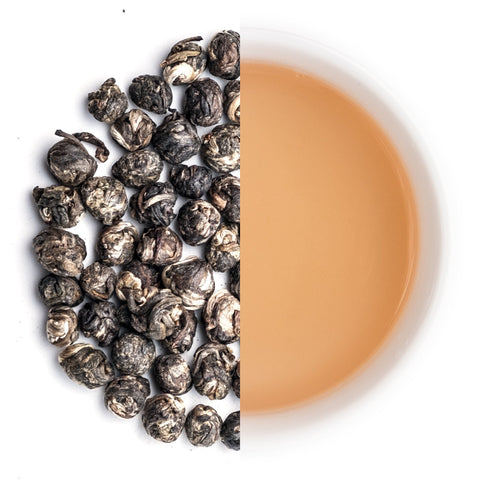
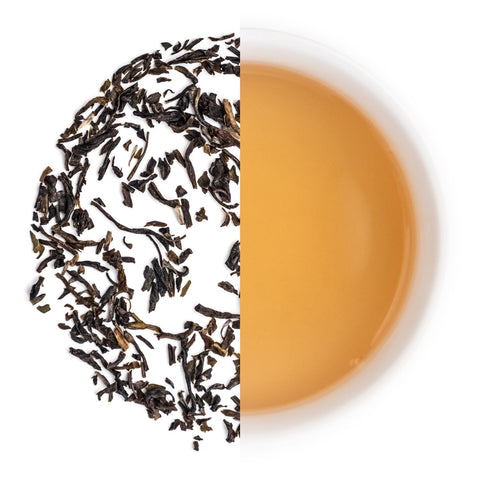
Jasmine tea is a green tea and should therefore be brewed with great care and love. It's important that the water temperature isn't too high, otherwise the tea can become too bitter. Ideally, use 6 g of tea leaves per 500 ml of water at 70-80 degrees and let it steep for 2 minutes. Enjoy!